
Introduction
Travel and tourism play a significant role in connecting people, cultures, and countries. Traveling allows individuals to explore new places, experience different traditions, taste local cuisines, and learn about the history and heritage of various regions. Tourism is one of the fastest-growing industries in the world, contributing greatly to economic development, employment, and cultural exchange. Whether traveling for leisure, business, education, or adventure, every journey provides valuable experiences that broaden our understanding of the world. In today’s modern era, improved transportation and technology have made travel easier, safer, and more accessible than ever before.
The Importance of Travel and Tourism
Travel is more than just visiting new destinations; it is an opportunity to learn, grow, and create lifelong memories. It helps people break away from their daily routines, reduce stress, and refresh their minds. Tourism also promotes cultural understanding by allowing travelers to interact with people from different backgrounds and traditions. As people explore different countries and communities, they develop respect for diversity and gain a broader perspective on life.
Economic Benefits of Tourism
Tourism is a major source of income for many countries. It creates millions of jobs in hotels, restaurants, airlines, transportation services, travel agencies, and entertainment industries. Tourists spend money on accommodation, food, shopping, and recreational activities, which supports local businesses and strengthens the economy. Governments also benefit through taxes and investments in tourism infrastructure, including airports, roads, parks, and public facilities.
Cultural Exchange and Heritage
One of the greatest advantages of travel is cultural exchange. Visiting historical landmarks, museums, festivals, and local communities helps travelers understand the traditions, customs, and lifestyles of different cultures. Cultural tourism encourages the preservation of historical sites and promotes appreciation for art, architecture, music, and literature. It also strengthens international friendships and encourages peace through mutual understanding.
Adventure and Outdoor Tourism
Adventure tourism has become increasingly popular among people who enjoy exciting experiences. Activities such as hiking, mountain climbing, camping, scuba diving, skiing, rafting, and wildlife safaris attract thrill-seekers from around the world. These adventures promote physical fitness, confidence, teamwork, and appreciation for nature. National parks, forests, mountains, and coastal areas provide excellent opportunities for outdoor recreation while encouraging environmental awareness.
Eco-Tourism and Sustainable Travel
Eco-tourism focuses on protecting the environment while allowing people to enjoy natural attractions responsibly. Sustainable tourism encourages travelers to minimize waste, respect wildlife, conserve natural resources, and support local communities. Choosing eco-friendly accommodations, reducing plastic use, and respecting local customs are simple ways travelers can contribute to environmental conservation. Sustainable travel ensures that future generations can continue to enjoy beautiful destinations.
Technology in Modern Travel
Technology has transformed the travel industry in many ways. Travelers can now book flights, hotels, and transportation online within minutes. Mobile applications provide navigation, language translation, weather forecasts, and travel recommendations. Digital payment systems and online reviews make planning trips easier and more convenient. Social media also inspires people to discover new destinations by sharing travel experiences, photographs, and travel guides.
Popular Types of Tourism
Tourism includes many different categories based on travelers’ interests. Leisure tourism focuses on relaxation and entertainment, while business tourism involves work-related travel such as conferences and meetings. Medical tourism allows people to receive healthcare services in other countries. Religious tourism attracts visitors to sacred places and pilgrimage sites. Educational tourism enables students and researchers to explore academic institutions and cultural experiences abroad. Each type of tourism serves different purposes and contributes to personal and professional development.
Responsible Travel Practices
Responsible travelers respect the environment, local traditions, and the people they meet during their journeys. They avoid littering, protect historical monuments, support local businesses, and follow local laws and customs. Responsible tourism helps preserve cultural heritage and natural resources while ensuring that tourism benefits both visitors and host communities. Every traveler has a responsibility to leave destinations clean and beautiful for future visitors.
Challenges Facing the Tourism Industry
Despite its many benefits, the tourism industry also faces challenges. Climate change, natural disasters, political instability, global health emergencies, and environmental pollution can significantly affect tourism. Overcrowding at popular tourist destinations may damage ecosystems and historical sites. Governments, businesses, and travelers must work together to promote sustainable tourism practices that balance economic growth with environmental protection.
Famous Tourist Attractions Around the World
The world offers countless breathtaking destinations for travelers. Famous attractions include the Eiffel Tower in France, the Great Wall of China, the Pyramids of Egypt, the Taj Mahal in India, the Grand Canyon in the United States, and the beautiful beaches of the Maldives. Every destination offers unique experiences, rich history, and unforgettable scenery. Exploring these places allows travelers to appreciate the beauty and diversity of our planet.
Tourism in Pakistan
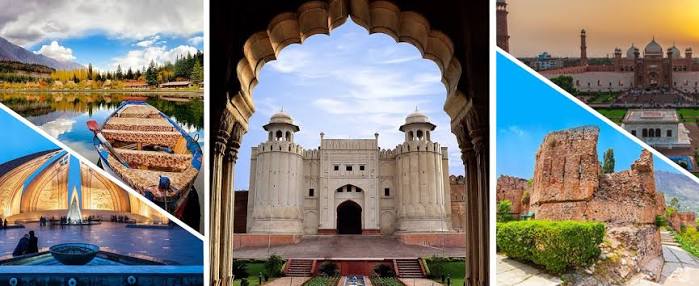
Pakistan is blessed with incredible natural beauty and historical heritage. Northern areas such as Hunza Valley, Skardu, Fairy Meadows, Swat Valley, and Murree attract thousands of domestic and international tourists every year. Historical sites like Lahore Fort, Badshahi Mosque, Mohenjo-Daro, and Taxila showcase the country’s rich cultural heritage. Pakistan’s hospitality, delicious cuisine, colorful festivals, and breathtaking landscapes make it an emerging destination for global tourism.
Conclusion
Travel and tourism are powerful tools for education, cultural exchange, economic development, and personal growth. They allow people to explore new destinations, build meaningful relationships, and create unforgettable memories. By practicing responsible and sustainable tourism, travelers can help protect the environment and preserve cultural heritage for future generations. Whether exploring a nearby city or traveling across the world, every journey offers valuable lessons, exciting adventures, and opportunities to appreciate the beauty, diversity, and unity of our global community.