
Introduction
Health and fitness are the foundation of a happy, productive, and fulfilling life. Good health allows people to perform daily activities efficiently, while physical fitness provides the strength, endurance, and flexibility needed to maintain an active lifestyle. In today’s fast-paced world, unhealthy eating habits, physical inactivity, stress, and lack of sleep have become common problems that affect millions of people. Adopting healthy habits, exercising regularly, and maintaining a balanced lifestyle can significantly improve both physical and mental well-being. Health and fitness are not temporary goals—they are lifelong commitments that help people live longer, feel better, and enjoy a higher quality of life.
Understanding Health and Fitness
Health refers to a state of complete physical, mental, and social well-being rather than simply the absence of disease. Fitness, on the other hand, is the ability of the body to perform daily tasks efficiently without excessive fatigue. A healthy person is not only free from illness but also maintains emotional balance, positive relationships, and a healthy lifestyle. Physical fitness includes cardiovascular endurance, muscular strength, flexibility, balance, and body composition, all of which contribute to overall health.
Importance of a Balanced Diet
A nutritious and balanced diet is essential for maintaining good health and supporting physical fitness. The body requires carbohydrates for energy, proteins for muscle repair and growth, healthy fats for brain function, and vitamins and minerals to support various body processes. Eating fresh fruits, vegetables, whole grains, lean proteins, dairy products, nuts, and seeds provides essential nutrients needed for optimal performance. Drinking enough water throughout the day also helps regulate body temperature, improve digestion, and maintain healthy skin and organs.
Benefits of Regular Exercise
Regular physical activity offers countless health benefits. Exercise strengthens the heart, improves blood circulation, increases lung capacity, and enhances muscle and bone strength. It also helps maintain a healthy body weight and reduces the risk of obesity, diabetes, high blood pressure, and heart disease. Activities such as walking, jogging, cycling, swimming, yoga, strength training, and sports improve physical fitness while boosting energy levels and overall well-being. Even 30 minutes of moderate exercise most days of the week can make a significant difference.
Mental Health and Emotional Wellness
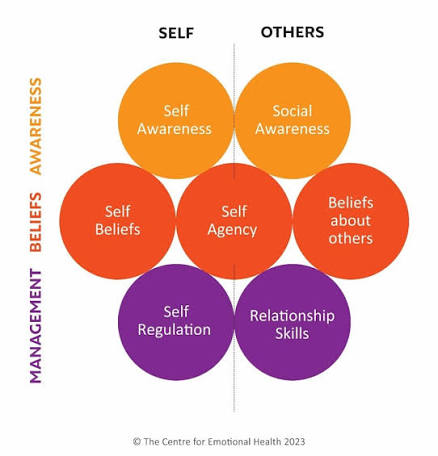
Mental health is an essential part of overall fitness. Stress, anxiety, and depression can negatively affect both physical and emotional well-being. Regular exercise releases endorphins, often called “feel-good hormones,” which help improve mood and reduce stress. Meditation, deep breathing exercises, reading, spending time with loved ones, and practicing gratitude also contribute to emotional wellness. Maintaining a healthy balance between work, rest, and recreation is important for long-term mental health.
Importance of Quality Sleep
Sleep plays a vital role in maintaining health and fitness. During sleep, the body repairs tissues, strengthens the immune system, balances hormones, and restores energy. Most adults require between seven and nine hours of quality sleep each night. Poor sleep can lead to fatigue, reduced concentration, weakened immunity, weight gain, and an increased risk of chronic diseases. Establishing a consistent bedtime routine and limiting screen time before sleeping can improve sleep quality.
Healthy Lifestyle Habits
Building healthy daily habits is key to long-term wellness. Eating meals on time, staying physically active, drinking enough water, avoiding smoking, limiting alcohol consumption, and managing stress all contribute to better health. Regular medical checkups, maintaining personal hygiene, and following vaccination schedules also help prevent illnesses. Small positive habits practiced consistently often produce greater long-term results than occasional extreme efforts.
Weight Management

Maintaining a healthy body weight is important for reducing the risk of many diseases. Weight management should focus on balanced nutrition and regular physical activity rather than extreme diets. Healthy weight loss occurs gradually through sustainable lifestyle changes. Monitoring calorie intake, eating portion-controlled meals, and engaging in regular exercise help maintain an ideal body weight while supporting overall fitness.
Fitness for Different Age Groups
Health and fitness are important at every stage of life. Children need active play and nutritious food for healthy growth and development. Teenagers benefit from sports and physical activities that build strength and confidence. Adults should maintain regular exercise to prevent lifestyle-related diseases and improve productivity. Older adults can improve mobility, balance, and independence through gentle exercises such as walking, stretching, and light strength training.
Common Fitness Activities
There are many enjoyable ways to stay active. Walking is one of the simplest and most effective forms of exercise. Running improves cardiovascular fitness, while cycling strengthens the legs and increases endurance. Swimming provides a full-body workout with minimal stress on the joints. Yoga enhances flexibility, balance, and mental relaxation, while strength training builds muscles and improves metabolism. Choosing activities that match personal interests increases the likelihood of maintaining a regular fitness routine.
Preventing Lifestyle Diseases
Many serious health conditions can be prevented through healthy living. Diseases such as diabetes, obesity, hypertension, heart disease, and certain types of cancer are often linked to poor lifestyle choices. Eating nutritious foods, staying physically active, maintaining a healthy weight, avoiding tobacco, and attending regular health screenings greatly reduce the risk of these conditions. Prevention is always more effective and less costly than treatment.
The Role of Motivation and Consistency
Achieving health and fitness goals requires dedication and consistency. Motivation may inspire people to begin their journey, but discipline helps them continue. Setting realistic goals, tracking progress, celebrating small achievements, and maintaining a positive attitude encourage long-term success. Health is not achieved overnight—it is built through consistent healthy choices made every day.
Conclusion
Health and fitness are essential for living a long, energetic, and meaningful life. A balanced diet, regular exercise, quality sleep, stress management, and positive daily habits work together to improve physical, mental, and emotional well-being. Everyone, regardless of age or lifestyle, can benefit from making healthier choices. By investing in health today, individuals can enjoy greater happiness, increased productivity, stronger immunity, and a better quality of life in the future. A healthy body and a healthy mind are the greatest assets anyone can have.