
Introduction
Education is one of the most powerful tools for personal growth, social development, and national progress. It equips individuals with knowledge, skills, values, and critical thinking abilities that enable them to make informed decisions and contribute positively to society. Education is not limited to classrooms or textbooks; it is a lifelong process of learning through experiences, observations, and interactions with the world. In today’s rapidly changing world, education plays a crucial role in preparing people for modern careers, technological advancements, and global challenges. It empowers individuals to improve their lives while building stronger communities and a brighter future.
The Importance of Education
Education is the foundation of a successful and meaningful life. It helps individuals develop intellectual abilities, communication skills, and confidence. An educated person is better equipped to solve problems, make responsible decisions, and adapt to changing circumstances. Education also promotes equality by providing opportunities regardless of social or economic background. It enables people to achieve their dreams and contribute to the development of their families, communities, and countries.
Types of Education
Education can be divided into three main categories: formal, informal, and non-formal education. Formal education takes place in schools, colleges, and universities through structured learning programs. Informal education occurs naturally through daily experiences, family interactions, reading books, and observing the world. Non-formal education includes vocational training, online courses, workshops, and skill development programs that help individuals gain practical knowledge outside traditional classrooms. Each type of education plays an important role in personal and professional growth.
The Role of Teachers
Teachers are the backbone of every education system. They inspire students, guide their learning, and help them discover their talents and abilities. Good teachers encourage creativity, curiosity, discipline, and confidence while creating a positive learning environment. Beyond teaching academic subjects, teachers also instill moral values, leadership qualities, and social responsibility. Their dedication shapes future generations and contributes significantly to national development.
Technology in Education
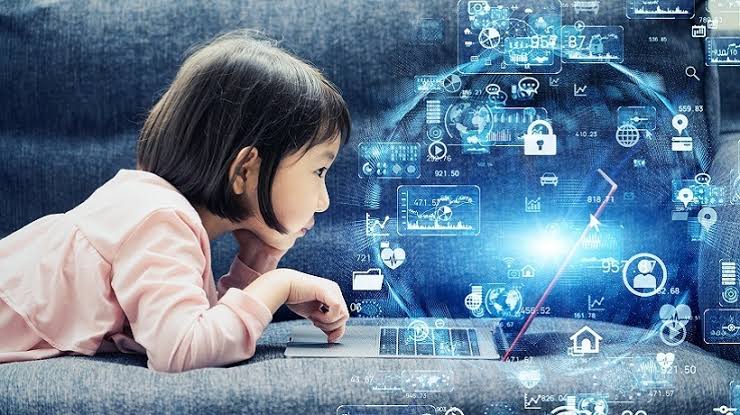
Technology has transformed the way people learn and access information. Online learning platforms, digital classrooms, educational applications, and virtual libraries have made education more flexible and accessible. Students can attend online classes, watch educational videos, participate in interactive lessons, and collaborate with classmates from different parts of the world. Artificial intelligence, virtual reality, and digital learning tools continue to enhance the educational experience by making learning more engaging and personalized.
Benefits of Quality Education
Quality education provides numerous benefits for individuals and society. It improves literacy, increases employment opportunities, and supports economic growth. Educated individuals are more likely to secure stable careers, earn higher incomes, and make informed financial decisions. Education also promotes innovation, scientific research, and technological advancement. Societies with strong education systems generally experience lower crime rates, better healthcare, and greater social stability.
Education and Personal Development
Education helps individuals develop essential life skills such as communication, teamwork, leadership, time management, and critical thinking. It encourages creativity and problem-solving while building self-confidence and independence. Students learn how to analyze information, express ideas effectively, and respect diverse opinions. These skills are valuable not only in professional careers but also in everyday life.
The Importance of Lifelong Learning
Learning does not end after graduation. Lifelong learning enables individuals to keep up with changing technologies, industries, and global trends. Reading books, attending seminars, enrolling in online courses, and learning new skills help people remain competitive in today’s fast-changing world. Continuous learning encourages personal growth and opens doors to new career opportunities and experiences.
Challenges in Education
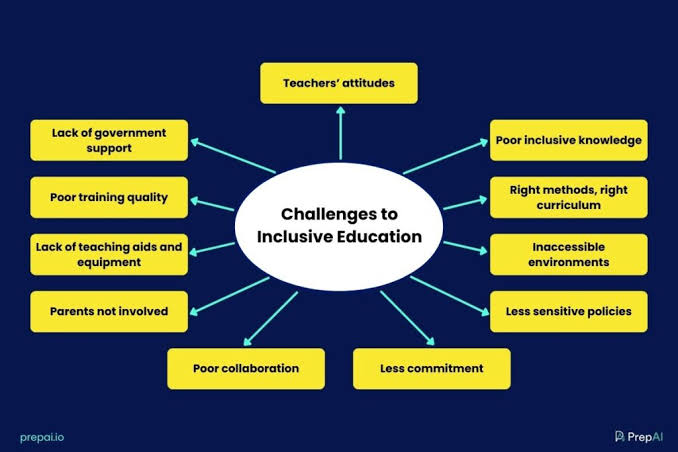
Despite significant progress, many education systems still face challenges. Limited access to quality schools, financial difficulties, unequal educational opportunities, teacher shortages, and inadequate learning resources affect millions of students worldwide. In some areas, students also face barriers such as poverty, conflict, and lack of internet access. Governments, educational institutions, and communities must work together to improve education and ensure equal learning opportunities for everyone.
The Role of Parents
Parents play an essential role in a child’s educational journey. They provide encouragement, motivation, and emotional support while creating a positive environment for learning at home. Parents who actively participate in their children’s education help improve academic performance, confidence, and discipline. Reading together, monitoring progress, and communicating with teachers strengthen the partnership between home and school.
Education and Career Success
Education prepares individuals for successful careers by providing specialized knowledge and practical skills. Professional qualifications, technical training, and higher education increase employment opportunities in fields such as medicine, engineering, business, information technology, education, and healthcare. Employers value educated individuals because they possess problem-solving abilities, communication skills, and the capacity to adapt to new challenges.
The Future of Education
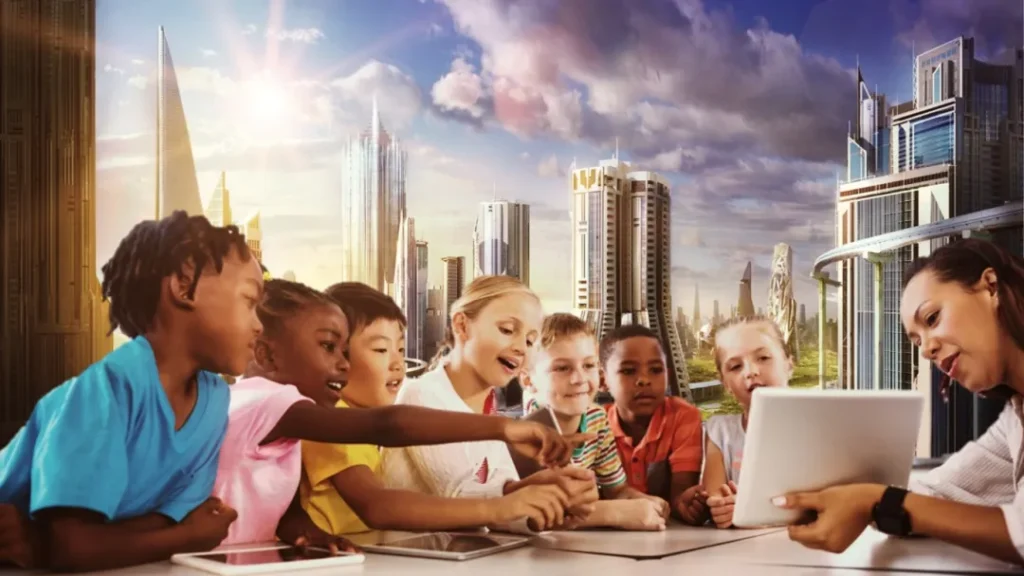
The future of education is becoming more digital, interactive, and personalized. Artificial intelligence, virtual classrooms, online certifications, and adaptive learning systems are changing traditional teaching methods. Students will have greater access to global learning resources, allowing them to acquire knowledge from anywhere in the world. While technology continues to evolve, the importance of skilled teachers, critical thinking, creativity, and human interaction will remain central to quality education.
Conclusion
Education is the key to personal success, social progress, and national development. It empowers individuals with knowledge, skills, confidence, and opportunities to achieve their goals while contributing positively to society. From early childhood education to lifelong learning, every stage of education plays a vital role in shaping responsible, innovative, and capable citizens. By investing in quality education and embracing continuous learning, individuals and nations can build a more prosperous, peaceful, and sustainable future for generations to come.